


The Art of Minimalism in Everyday Life

In a world overflowing with distractions and clutter, minimalism has emerged as a powerful philosophy that encourages simplicity and intentional living. This blog post delves into the essence of minimalism, exploring its benefits, practical applications, and how you can incorporate it into your daily routine.
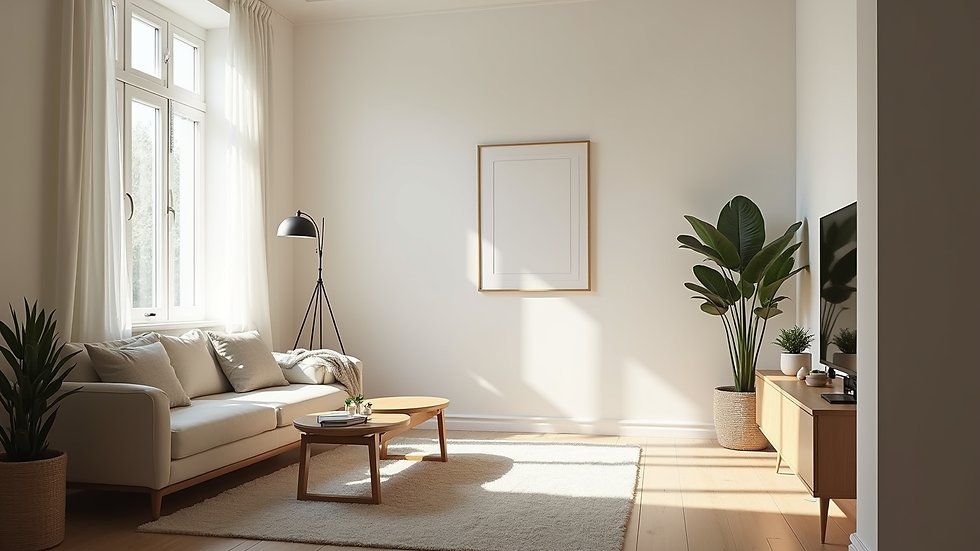
Understanding Minimalism
Minimalism is more than just a design aesthetic; it is a lifestyle choice that emphasizes the importance of simplicity and purpose. At its core, minimalism encourages individuals to focus on what truly matters, shedding excess and distractions that can cloud judgment and hinder personal growth.
The Philosophy Behind Minimalism
The philosophy of minimalism can be traced back to various cultural and artistic movements. It advocates for a life filled with intention, where every item and activity serves a purpose. By embracing minimalism, individuals can cultivate a sense of clarity and peace, allowing them to focus on their passions and relationships.
Benefits of Embracing Minimalism
Reduced Stress: A clutter-free environment can lead to a calmer mind. Studies show that excessive clutter can increase anxiety and stress levels. By simplifying your surroundings, you create a more peaceful atmosphere.
Increased Focus: With fewer distractions, you can concentrate better on tasks that matter. Minimalism encourages you to prioritize your time and energy, leading to improved productivity.
Financial Freedom: By adopting a minimalist mindset, you may find yourself spending less on unnecessary items. This can lead to significant savings and a more sustainable lifestyle.
Enhanced Creativity: A simplified environment can foster creativity. When you remove distractions, your mind is free to explore new ideas and solutions.
Stronger Relationships: Minimalism encourages you to invest time in meaningful relationships rather than material possessions. This shift in focus can lead to deeper connections with others.
Practical Steps to Incorporate Minimalism
Decluttering Your Space
One of the first steps to embracing minimalism is decluttering your physical space. Here are some practical tips to get started:
Start Small: Begin with one area, such as a drawer or a closet. This makes the task less overwhelming and allows you to see progress quickly.
Use the Four-Box Method: Label four boxes as "Keep," "Donate," "Sell," and "Trash." As you sort through items, place them in the appropriate box. This method helps you make decisions about what to keep and what to let go.
Set a Time Limit: Allocate a specific amount of time for decluttering. This can help you stay focused and motivated.
Be Honest with Yourself: Ask yourself if each item adds value to your life. If it doesn’t, consider letting it go.
Simplifying Your Digital Life
In today’s digital age, minimalism extends beyond physical possessions. Here are ways to simplify your digital life:
Unsubscribe from Unwanted Emails: Take time to unsubscribe from newsletters and promotional emails that no longer interest you. This can reduce inbox clutter and help you focus on important communications.
Organize Your Files: Create a simple folder structure on your computer and regularly delete files you no longer need. This will make it easier to find important documents.
Limit Social Media Use: Consider reducing the time spent on social media platforms. Unfollow accounts that do not inspire or uplift you.
Mindful Consumption
Minimalism encourages mindful consumption, which means being intentional about what you bring into your life. Here are some strategies:
Ask Yourself "Do I Need This?": Before making a purchase, consider whether the item is truly necessary. This can help prevent impulse buying.
Invest in Quality Over Quantity: Choose high-quality items that will last longer rather than cheaper alternatives that may need to be replaced frequently.
Practice Gratitude: Cultivating gratitude for what you already have can reduce the desire for more possessions. Take time to appreciate your current belongings.
Minimalism in Daily Routines
Incorporating minimalism into your daily routines can lead to a more intentional and fulfilling life. Here are some ideas:
Morning Routine
Simplify Your Choices: Streamline your morning routine by laying out your clothes the night before and preparing a simple breakfast. This can reduce decision fatigue and help you start your day with clarity.
Limit Screen Time: Consider starting your day without checking your phone or social media. Instead, focus on mindfulness practices such as meditation or journaling.
Evening Routine
Reflect on Your Day: Take a few moments each evening to reflect on what went well and what you can improve. This practice can help you stay grounded and focused on your goals.
Prepare for Tomorrow: Spend a few minutes organizing your space for the next day. This can create a sense of order and reduce stress in the morning.
Minimalism and Sustainability
Minimalism aligns closely with sustainable living. By consuming less and focusing on quality, you can reduce your environmental impact. Here are some ways to incorporate sustainability into your minimalist lifestyle:
Choose Eco-Friendly Products: When making purchases, opt for products that are environmentally friendly and ethically sourced.
Reduce Waste: Practice reducing waste by using reusable bags, containers, and utensils. This not only supports sustainability but also aligns with minimalist principles.
Support Local Businesses: Consider purchasing from local artisans and businesses. This supports your community and often results in higher-quality products.
Overcoming Challenges in Minimalism
While embracing minimalism can be rewarding, it may also come with challenges. Here are some common obstacles and how to overcome them:
Emotional Attachments
Many people struggle with letting go of items due to emotional attachments. To address this:
Acknowledge Your Feelings: Recognize that it’s normal to feel attached to certain items. Allow yourself to feel those emotions, but remind yourself of the benefits of decluttering.
Create a Memory Box: If you have sentimental items that you cannot part with, consider creating a memory box. Limit yourself to one box to keep your collection manageable.
Fear of Missing Out (FOMO)
The fear of missing out can make it difficult to adopt a minimalist lifestyle. To combat this:
Focus on What Matters: Remind yourself that minimalism is about prioritizing what truly matters to you. This can help alleviate feelings of FOMO.
Embrace the Freedom of Less: Understand that by letting go of excess, you create space for new experiences and opportunities.
Conclusion
Embracing minimalism is a journey that can lead to a more intentional and fulfilling life. By simplifying your surroundings, routines, and consumption habits, you can cultivate a sense of clarity and purpose. Remember, minimalism is not about deprivation; it’s about making room for what truly matters. Start small, stay consistent, and enjoy the benefits of a minimalist lifestyle.
As you embark on this journey, consider what steps you can take today to simplify your life. Whether it's decluttering a space, reducing digital distractions, or practicing mindful consumption, every small change can lead to a more meaningful existence.


Comments